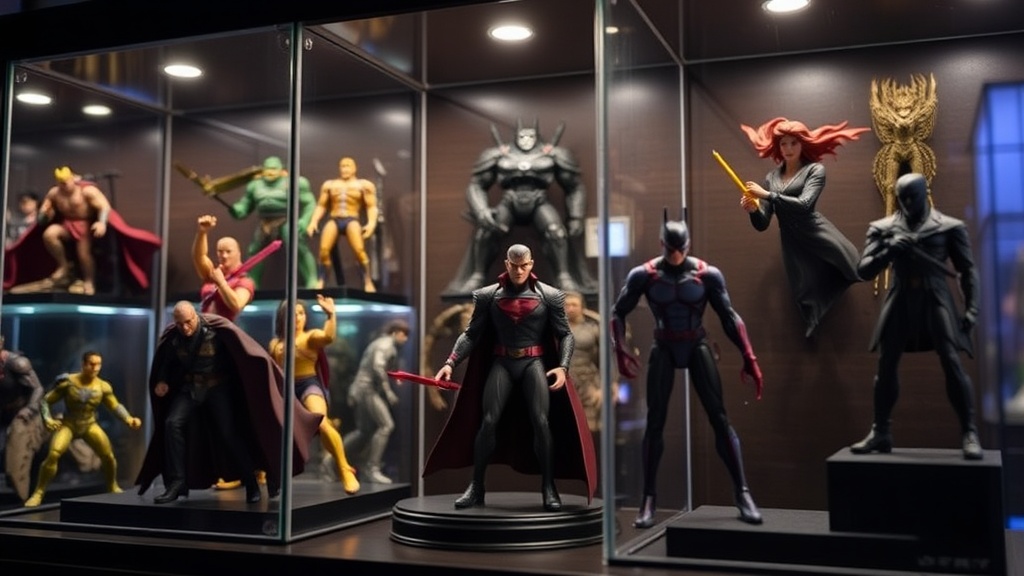
Choosing the Right Display Cases for Your High-End Figure Collection

What to Look for When Selecting Figure Display Cases
This guide covers the technical aspects of selecting display cases to protect and showcase your high-end collectibles. You'll learn how to evaluate materials, weight capacities, and lighting options so your figures look their best without being damaged by poor storage choices.
Finding the right home for a premium figure isn't just about finding a shelf that fits; it's about creating a controlled environment. Whether you own vintage McFarlane sculpts or modern highly-articulated releases, the way you present them affects their long-term value. A cheap acrylic box might look fine for a month, but it won't protect against the gradual buildup of dust or the slight yellowing caused by UV exposure. You need to look at the structural integrity of the case first. If you're housing heavy, solid-cast figures, a thin plastic stander won't cut it. You want something that provides stability so a heavy figure doesn't tip over and crack its own base or the case itself.
Material choice is the second big factor. Acrylic is the industry standard for a reason—it's clear and lightweight—but it can scratch easily. Glass, on the other hand, offers much better clarity and weight, which helps keep the display stable. However, glass is much heavier, so if you're planning on stacking several units, you have to ensure your shelving can handle the load. If you're serious about protecting your investment, check out the Toy Ark community for discussions on how different materials react to different environments over time.
How Much Space Do You Need for a Growing Collection?
One of the most common mistakes collectors make is buying a display case that is too small for their current inventory. It's tempting to grab a small, cheap unit that fits your current five or ten figures, but you'll regret it the moment you find a new limited edition release. Always account for "breathing room." Figures with wide wingspans, capes, or bulky armor—typical of many McFarlane sculpts—need extra clearance. If a figure's accessory or cape is constantly touching the side of the case, it can create micro-scratches or even cause paint transfer over several years.
Consider the depth of your shelves as well. Many collectors focus entirely on the height (the verticality) of the display, but if your figures are deep, a shallow case will look cluttered and cramped. A well-spaced display allows the eye to focus on a single piece at a time. If you crowd too many figures into one case, they become a blur of color rather than a curated collection. Use a tiered approach if you're working with a limited depth. This allows you to place smaller figures in the front and taller, more imposing figures in the back without obscuring the view.
Which Lighting Options Best Protect Your Figures?
Lighting is where a display truly comes to life, but it's also where things can go wrong. Standard incandescent bulbs generate heat, and heat is the enemy of plastic. If you're using an enclosed case, that heat can build up and soften the plastic or cause paint to become tacky. This is why LED technology is the preferred choice for collectors. LEDs run cool and don't emit the harmful UV rays that cause many plastics to degrade and fade. Mcfarlane Toys fans often use subtle, indirect lighting to highlight the textures of the sculpts without washing out the fine details.
When choosing a case with built-in lighting, look for adjustable brightness or dimmable options. You want to highlight the sculpt, not blast it with light. Too much light can create harsh shadows and glares that make the figure look flat. A soft, diffused light that hits the figure from a slight angle will emphasize the shadows and highlights of the paint job, making the figure look more lifelike. If you're building a custom setup, consider using light-diffusing strips rather than bare bulbs to avoid a "cheap" look.
Are Acrylic or Glass Cases Better for Long-Term Storage?
This is a frequent debate in the community. Acrylic is great for portability and is much more resistant to shattering if it falls, but it's prone to static electricity. Static is a major issue because it acts like a magnet for dust, pulling it right through the seams of the case. Glass is much more inert and easier to clean, but it's heavy and more difficult to move. If you're a collector who likes to move their collection around frequently—perhaps for a convention or a trade—acrylic is your best bet. If you have a permanent, stationary display in a dedicated room, glass offers a more premium feel and better long-term stability.
Let's look at a quick comparison of the two materials:
| Feature | Acrylic | Glass |
|---|---|---|
| Durability | High (Impact Resistant) | Low (Brittle) |
| Clarity | Good (Can Yellow) | Excellent (Stays Clear) |
| Weight | Lightweight | Heavy |
| Maintenance | Harder (Static/Scratches) | Easier (Standard Cleaning) |
Ultimately, your choice depends on your display style. If you're a "grab and go" collector, acrylic's lightweight nature is a huge plus. If you're a "set it and forget it" collector, glass is the superior choice for maintaining a high-end look. Always remember that whatever you choose, the primary goal is to create a barrier between your collectibles and the outside elements. A single well-chosen case can keep your figures looking brand new for decades.