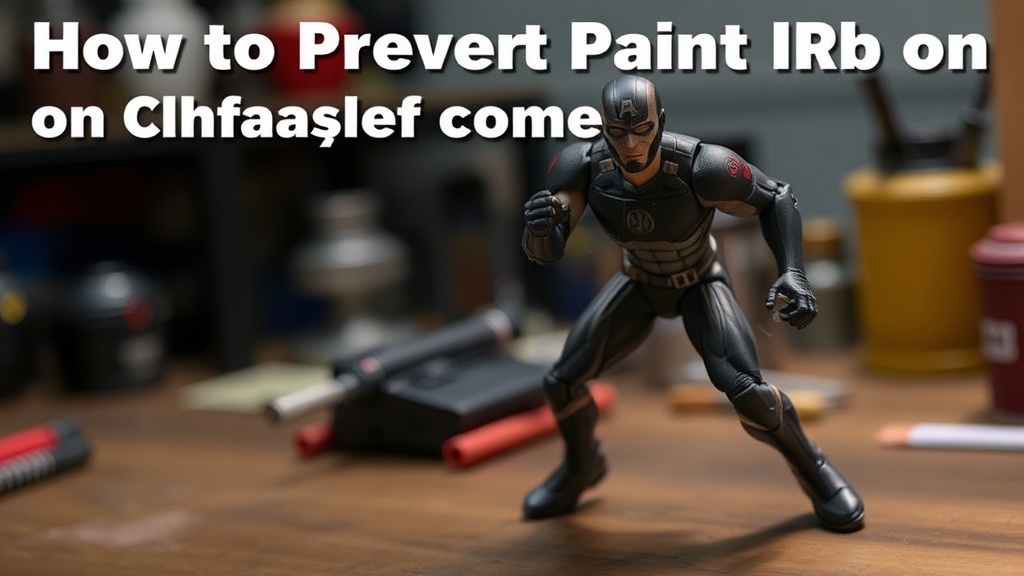
How to Prevent Paint Rub on McFarlane Figure Joints

Quick Tip
Heat joints with a hair dryer on low for 10 seconds before posing to soften the plastic and reduce paint stress at connection points.
Paint rub on articulated joints can ruin a display piece in days. (And unlike a bad paint app at the factory, this damage is on you.) This guide covers proven methods to prevent friction damage on McFarlane figure joints — from initial prep to long-term storage solutions. Whether the collection numbers three figures or three hundred, these techniques will keep paint applications crisp and joint movement smooth.
What causes paint rub on McFarlane figure joints?
The friction happens when painted surfaces grind against each other during movement. Here's the thing: McFarlane Toys — particularly the DC Multiverse and Spawn lines — often feature matte paints on tight-tolerance joints. When the bicep swivel rotates or the knee hinge bends, those painted edges scrape. (Think of it like sanding wood — it's basically fine-grit abrasion every time you move the joint.) The result? Unsightly chips, discoloration, and that dreaded "greasy" look where plastic shows through.
Worth noting: The issue hits harder on figures with darker base plastic beneath light paint layers. A Batman figure with gray joints over black plastic hides damage better than a Harley Quinn with white joints over red plastic. Temperature and humidity matter too — dry winter air makes paint more brittle.
How do you protect joints before posing?
Clean the joints, apply a sealant barrier, and use silicone lubricant on high-friction pegs before the first pose. Work in a well-ventilated area and lay down newspaper — sealants are unforgiving on desks.
Step one: Clean the joints. Factory oils and mold release residue — it's basically manufacturing grease — accelerate wear. Dip a cotton swab in dish soap and warm water, then wipe all articulation points. Dry thoroughly with a microfiber cloth.
Step two: Apply sealant. Krylon Matte Finish or Mr. Super Clear create a protective barrier. Spray light, even coats from 10 inches away. Two thin layers beat one heavy drip every time.
Step three: Lubricate carefully. A tiny dot of 100% silicone shock oil (the kind used for RC cars) on the joint peg reduces friction. Wipe away excess — you want slippery, not greasy.
| Product | Best For | Dry Time | Price Range |
|---|---|---|---|
| Krylon Matte Finish | General sealing | 20 minutes | $8-12 |
| Mr. Super Clear | Matte finishes | 30 minutes | $15-18 |
| Vallejo Mecha Color | Touch-up paint | N/A | $3-5 per bottle |
| 100% Silicone Shock Oil | Joint lubrication | Immediate | $5-8 |
Can you fix paint rub after it happens?
Yes — though it takes patience and a steady hand. Light surface scuffs often respond to Magic Eraser (use gently — it's essentially fine sandpaper). For deeper chips, color-matching is the challenge.
McFarlane uses proprietary color mixes, but Vallejo Model Color and Citadel Layer paints come close for most DC Multiverse figures. Thin the paint with water until it flows like milk. Build up in three thin coats rather than one gloppy layer. Seal the repair with clear matte — otherwise the touch-up will rub faster than the original paint.
For joints that have gone "shiny" from plastic showing through, some collectors embrace the battle damage. Others rotate the joint 180 degrees so the worn area faces the body. (Simple. Effective. Nobody sees the inside of a knee joint anyway.)
Storage matters as much as display. Keep figures in neutral poses when boxed. Heat — especially attic or car trunk heat — softens joint tolerances and makes paint more likely to transfer. A climate-controlled room in San Diego beats a garage in Phoenix every single time.