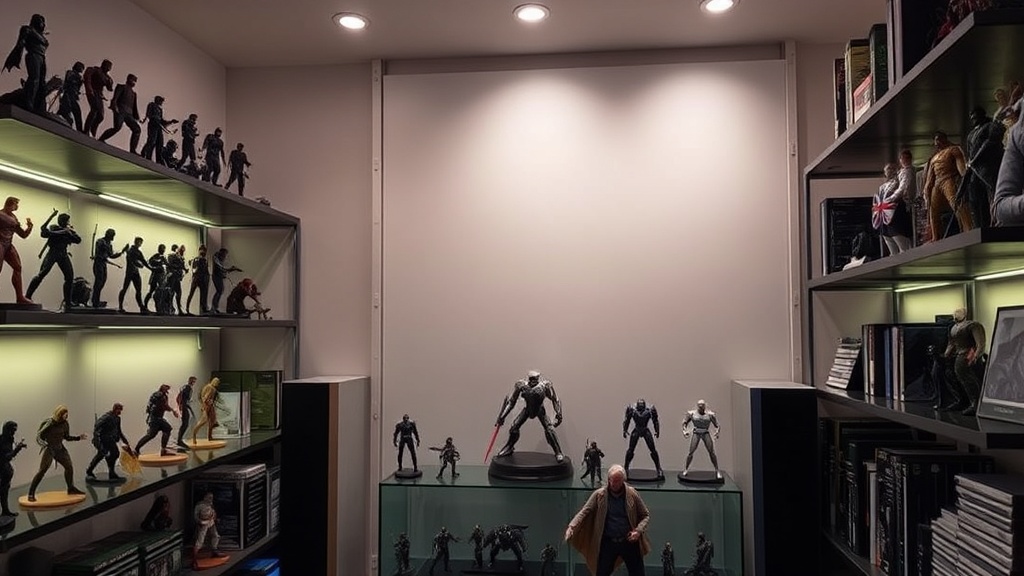
Setting Up Your Figure Display Shelving for Maximum Impact

What You'll Learn About Organizing Your Collection
This guide covers how to select, organize, and arrange your collectible figures to ensure they look professional and stay protected. We'll look at structural requirements, lighting placement, and the visual hierarchy needed to prevent your display from looking like a cluttered toy box. Whether you're working with a small bookshelf or a custom glass cabinet, the principles of visibility and safety remain the same.
A collection isn't just a pile of plastic; it's a curated gallery. When you first start out, it's tempting to just line everything up on a shelf. However, without a plan, your most detailed pieces—like the intricate sculpts we love at McFarlane Toys—often get lost in the shadows or crowded by larger items. A well-planned display system helps you appreciate the fine details while keeping your figures safe from dust and physical damage.
Which Display Cases Are Best for Figure Collections?
Choosing the right housing for your figures depends on your space and your budget. You have three main directions you can take: open shelving, acrylic cases, or glass cabinets. Open shelving is the most accessible, but it leaves your figures vulnerable to dust. If you go this route, you'll need to be diligent about cleaning. Acrylic cases (often called display boxes) are great for protecting single, high-value figures from dust and touch, but they can be expensive if you want to cover an entire collection.
| Display Type | Pros | Cons | |
|---|---|---|---|
| Open Shelving | Cheap, easy to access | High dust accumulation | Hard to see back rows |
| Acrylic Boxes | Excellent protection | Visible to the eye | Can be pricey for large sets |
| Glass Cabinets | Premium look, high protection | Requires significant space | Requires careful lighting |
If you're looking for professional-grade housing, many collectors turn to specialized furniture. For instance, the IKEA Billy or Detolf series are legendary in the hobby because they offer a clean, minimalist look that doesn't distract from the figure itself. The key is to ensure the shelves are sturdy enough to handle the weight of heavy resin or dense PVC figures. A flimsy shelf can bow over time, which might lead to a catastrophic tip-over if not monitored.
How Do I Arrange Figures for the Best Visual Flow?
Arrangement is where the magic happens. You shouldn't just place figures at random heights. Instead, think in layers. Use risers—small steps made of acrylic or even sturdy foam—to lift figures in the back. This ensures that a figure in the second row isn't completely hidden by a figure in the front. This technique creates depth and makes the entire collection feel more expansive.
Grouping is another way to create a sense of order. Rather than a random assortment, try grouping your figures by franchise, scale, or even color palette. If you have a highly detailed piece from a specific movie or game, place it as a centerpiece. Surround it with smaller, complementary figures to create a "scene." This makes the display feel intentional rather than accidental. Don't forget to leave "white space" (empty gaps) between groupings so the eye has a place to rest. A crowded shelf often looks messy, regardless of how expensive the figures are.
Can I Use LED Lighting to Enhance My Display?
Lighting is the most underrated part of a collector's setup. If you use standard overhead room lights, your figures will likely look flat and washed out. LED strips are the gold standard here. They produce very little heat—which is vital for preventing any long-term plastic warping—and they provide a consistent light source. You can choose between "cool white" for a modern, sharp look, or "warm white" for a more classic, cinematic feel.
When placing lights, avoid pointing them directly at the face of a figure from a harsh angle, as this creates deep, unflattering shadows. Instead, aim for soft, indirect lighting. If you're using a glass cabinet, place the light strips along the front edges or tucked into the corners to hide the hardware. This keeps the focus on the figure's sculpt and paintwork. For more technical advice on safe electronics, checking out resources like Electronics.org can help you understand voltage and heat management for your custom builds.
Always remember that lighting can also be used to highlight specific colors. If you have a figure with metallic paint, a slight shimmer from a nearby light source can make that detail pop. However, be cautious with UV light. While LEDs are generally safe, cheap light strips can sometimes emit UV rays that might cause colors to fade over many years. Always opt for high-quality, low-heat options to protect your investment.
Finally, consider the height of your shelves relative to your eye level. If a shelf is too low, you'll be looking down at the figures, which can hide the detail in the sculpt. If it's too high, the shadows from the shelf above will swallow them. Aim for a setup where your most prized pieces are at eye level, and use the higher and lower shelves for supporting pieces or bulkier items that don't require intense scrutiny.