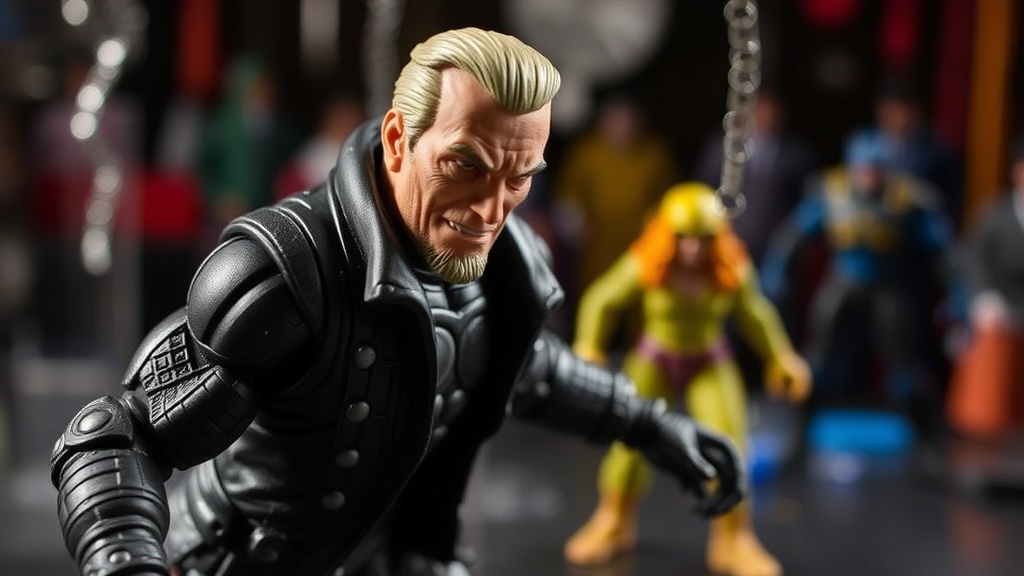
Why Do Some McFarlane Figures Turn Sticky—and Can You Actually Fix Them?

Most collectors assume sticky figures are a sign of poor quality or improper storage. That isn't the whole story. Plasticizers—those chemical compounds added to PVC to keep it flexible—can migrate to the surface over time, creating that gummy film we all dread. This phenomenon, called "plasticizer migration," affects premium collectibles just as often as budget figures. Understanding why it happens—and what you can realistically do about it—will save you from panic-selling perfectly salvageable pieces or worse, throwing away figures that just need the right treatment.
What Causes Plasticizer Migration in Action Figures?
PVC isn't naturally soft and poseable. Manufacturers add plasticizers to give figures their flexibility—think of jointed limbs, soft goods capes, or those incredibly detailed McFarlane sculpts that require some give during production. Over time, these additives don't stay put. Temperature fluctuations, humidity, and even the way a figure rests against packaging materials can push plasticizers toward the surface.
McFarlane Toys uses some of the most detailed sculpting in the industry. That level of intricacy often requires softer PVC compounds in specific areas—hands, joints, sometimes entire torsos on horror or fantasy lines. Softer PVC equals more plasticizer. More plasticizer equals higher risk of migration. It isn't a defect. It's chemistry. And it happens to figures sitting in climate-controlled rooms just as readily as those in garages.
The misconception here is that sticky figures are "ruined." They aren't—at least not permanently. The stickiness is residue, not degradation of the plastic itself. Knowing this distinction matters because it determines whether you attempt restoration or consign a figure to the donate pile.
Can You Remove the Sticky Residue Without Damaging the Paint?
Yes—but patience beats aggression every time. The goal is dissolving and lifting the plasticizer film without stripping factory paint apps or damaging delicate sculpt details. Here's what actually works based on collector consensus and restoration community experience.
The Gentle Soap Method
Start simple. Warm water with a drop of mild dish soap (Dawn or similar) and a soft microfiber cloth can remove light surface tackiness. Don't submerge the figure—dampen the cloth, work in small circles, and dry immediately with a clean section. This works for recent stickiness that hasn't set into the plastic.
Isopropyl Alcohol (The 70% Sweet Spot)
Higher concentrations aren't better here. 70% isopropyl alcohol has enough solvent action to break down plasticizer residue without attacking most factory paints. Apply to a cotton swab, test on an inconspicuous area (usually the back of a leg or underside of a base), and work slowly. Never pour alcohol directly on the figure. The goal is controlled application, not saturation.
Purell or Water-Based Hand Sanitizer
Sounds weird, but the gel consistency keeps the solvent in place, and the emollients actually help lift residue. Apply a small amount to a cloth, not the figure, and wipe gently. Follow with a clean damp cloth to remove any gel remnants. This method is particularly effective on softer plastic parts—exactly where McFarlane figures often develop issues.
When to Stop
If you see paint transferring to your cloth, stop immediately. Some factory applications—especially metallics or washes—are more fragile than others. Live with slight tackiness rather than stripped paint. A slightly sticky figure in its original state beats a clean figure with missing details.
How Should You Store Figures to Prevent Future Stickiness?
Prevention beats restoration. Once you've cleaned a figure—or if you're protecting new acquisitions—storage strategy matters more than you might think.
Temperature stability is the biggest factor. Plasticizers migrate faster with heat cycles. Don't store figures in attics, garages, or near heating vents. Room temperature consistency—ideally 65-75°F—is your friend. San Diego collectors have an advantage here (thanks, Mediterranean climate), but everyone can achieve this with indoor storage.
Humidity plays a role too, though it's secondary to temperature. Excessive moisture can accelerate chemical reactions in PVC compounds. Aim for 40-60% relative humidity. If you're storing figures in basements, use museum-quality storage guidelines as your benchmark—the National Park Service maintains excellent resources on preventive conservation that apply directly to collectibles.
Position matters. Figures stored in their original packaging—especially blister cards or clamshells—can develop sticky spots where plastic presses against plastic. The contact points trap plasticizers. If you're a loose collector, rotate figures periodically. If you keep them boxed, consider archival storage boxes that allow some air circulation rather than airtight sealed containers.
The Display vs. Storage Trade-off
Here's a counterintuitive truth: figures on open display often fare better than those packed away. Open air circulation prevents the buildup of off-gassing chemicals that accelerate plasticizer migration. If you're rotating collections between display and storage, give stored figures breathable space. Plastic bins with loose-fitting lids beat vacuum-sealed bags. Acid-free tissue between figures prevents contact transfer without trapping gases.
Are Certain McFarlane Lines More Prone to Sticky Plastic?
Experience across collector forums suggests some patterns. The Movie Maniacs horror lines—particularly figures from the early 2000s with softerPVC torso components—show higher rates of tackiness. The Spawn lines with extensive soft goods (cloth elements) sometimes develop sticky hands where plastic meets fabric. And figures with extensive clear plastic accessories (energy effects, display bases) can transfer stickiness from those elements to the figure itself.
This isn't a quality criticism of McFarlane Toys. It's an acknowledgment that pushing sculptural boundaries requires material choices that come with trade-offs. The same softness that lets Todd McFarlane's team achieve incredible detail in creature designs creates long-term storage considerations. Collectors of official McFarlane releases should factor this into their purchasing and storage decisions—not avoid the lines, but store them appropriately.
When Is a Sticky Figure Actually Beyond Saving?
Real talk: sometimes the plastic itself degrades. If a figure feels sticky and the plastic has gone chalky, brittle, or develops cracks during gentle handling, you're looking at PVC breakdown—not just surface migration. This is more common in figures from the 1990s with earlier PVC formulations, or pieces exposed to extreme heat (car dashboards, direct sunlight through windows).
In these cases, cleaning won't restore structural integrity. The plastic has lost its plasticizers permanently. Display the figure if the aesthetic remains acceptable, but don't handle it frequently. Consider it a shelf piece rather than a poseable collectible. Document it, photograph it, and let it rest.
What About Third-Party "De-Stickifying" Products?
The collector market offers various sprays and wipes promising to fix sticky figures. Approach these with skepticism. Many contain petroleum distillates that temporarily solve tackiness while accelerating long-term plastic degradation. Others leave silicon films that attract dust and complicate future cleaning.
Stick to the basics: soap, water, 70% isopropyl alcohol, and proper storage. The American Institute for Conservation's plastics resources emphasize minimal intervention—cleaning is preservation, aggressive restoration is often damage waiting to happen. This philosophy applies perfectly to action figure collecting.
Building a Collection That Lasts Decades
Sticky figures aren't a collection death sentence. They're a maintenance checkpoint. Every collector hits this eventually—it's the hobby equivalent of dust on shelves or batteries corroding in electronics. The difference between a collection that survives and one that deteriorates is knowledge applied consistently.
Check your figures quarterly. A quick visual inspection and gentle touch test catches issues early. Address tackiness when it's mild rather than waiting until figures stick to shelves or each other. Rotate displayed pieces so no single figure bears constant environmental stress. And document your cleaning methods—what worked, what didn't, which figures needed special handling.
Your McFarlane collection represents years of hunting, unboxing, and arranging. A little chemical awareness and storage discipline protects that investment without requiring museum-grade facilities or expensive equipment. The figures you love can last decades—sticky phases included—if you treat them with the understanding they deserve.