Why Your Figure Display Lighting Changes Everything

The Problem with Dim Shelves and Shadowed Details
Imagine walking into a room where a high-end collectible sits in the corner. You see a silhouette, a shape that looks vaguely like a figure, but the fine details—the texture of a cape, the glint of a blade, or the subtle paint gradations—are lost in the dark. This isn't just a lack of visibility; it's a failure of presentation. When collectors invest hundreds of dollars into high-fidelity sculpts, they often overlook the fact that lighting is the final layer of the build. Without the right light, a premium figure looks like a cheap plastic toy. A well-lit display brings out the depth of the sculpt and makes the colors pop, turning a mere shelf into a centerpiece.
Lighting isn't just about brightness. It's about how light interacts with materials. A figure with a matte finish reacts differently to light than one with metallic or gloss paint. If you use a single, harsh light source from above, you'll get deep, unflattering shadows in the crevices of the sculpt. This makes the figure look "flat" or even "melted." To avoid this, you need to think about light direction and intensity. You want to highlight the textures that the sculptors spent hours perfecting.
How Do I Choose the Right Type of Light for My Figures?
Choosing a light source involves more than just picking a bright bulb. You have to consider the heat-to-brightness ratio. Traditional incandescent bulbs are a terrible idea for collectors because they generate heat—and heat is the enemy of plastic. If a bulb gets hot, it can soften the PVC or cause the paint to become tacky over time. Instead, look toward LED technology. LEDs stay cool to the touch and offer a much wider range of color temperatures.
There are three main directions you can take with your lighting setup:
- Ambient Lighting: This is the general light in the room. It's fine for seeing your collection from a distance, but it does nothing for the individual details of a single figure.
- Accent Lighting: This involves using small, directed lights (like puck lights or small spotlights) to hit specific figures. This creates drama and draws the eye.
- Integrated Lighting: These are strips or tiny lights built directly into the shelving unit itself. This is great for consistent, even light across a large collection.
When shopping for LEDs, look for high CRI (Color Rendering Index) ratings. A higher CRI means the light shows colors more accurately. If you have a figure with a striking red or deep blue, a low-quality LED might make that color look dull or gray. You can check out much more about light standards and color accuracy through resources like the U.S. Department of Energy to understand how energy and light work in a household setting.
Can LED Strips Damage My Plastic Figures Over Time?
A common worry among collectors is that constant light exposure will lead to "yellowing" or fading. While high-quality LEDs are much safer than old-school light bulbs, they aren't entirely invisible in their impact. The main issue isn't usually the light itself, but the UV radiation. If your LEDs are cheap and don't filter UV, you might see your figures fade over several years. To be safe, look for "UV-filtered" or "UV-protected" LED strips. This ensures that the light hitting your figure is actually helping you see it, rather than slowly destroying the pigments in the paint.
Another thing to watch for is the "heat soak" effect. Even though LEDs are cool, if you pack a display case too tightly with dozens of strips, the collective heat might rise just enough to affect the air inside the case. This is especially true in small, enclosed acrylic cases. Always give your figures a little breathing room. A little bit of space between the light source and the figure's head or cape can prevent any localized heat build-up from becoming an issue.
Is it Better to Use Warm or Cool Light?
This is a highly subjective-but-important question. Warm light (around 2700K to 3000K) creates a cozy, museum-like feel. It's great for vintage-style collections or figures with earth tones (browns, golds, deep reds). It makes the collection feel "old" and "classic." On the other hand, cool light (5000K and up) is much more clinical and modern. It's perfect for sci-fi figures, metallic paints, or anything with neon or bright colors. If you want that "high-tech" look, go with cool light. If you want a "classic" look, stick to warm tones.
A professional trick is to mix them. You can use a warm ambient light for the room and a cool accent light for a specific, highly detailed figure. This creates depth and prevents the "flat" look mentioned earlier. For those interested in the technical side of how light affects objects, the ScienceDirect database offers plenty of research on light physics and material interaction. Using this knowledge helps you make better decisions for your display.
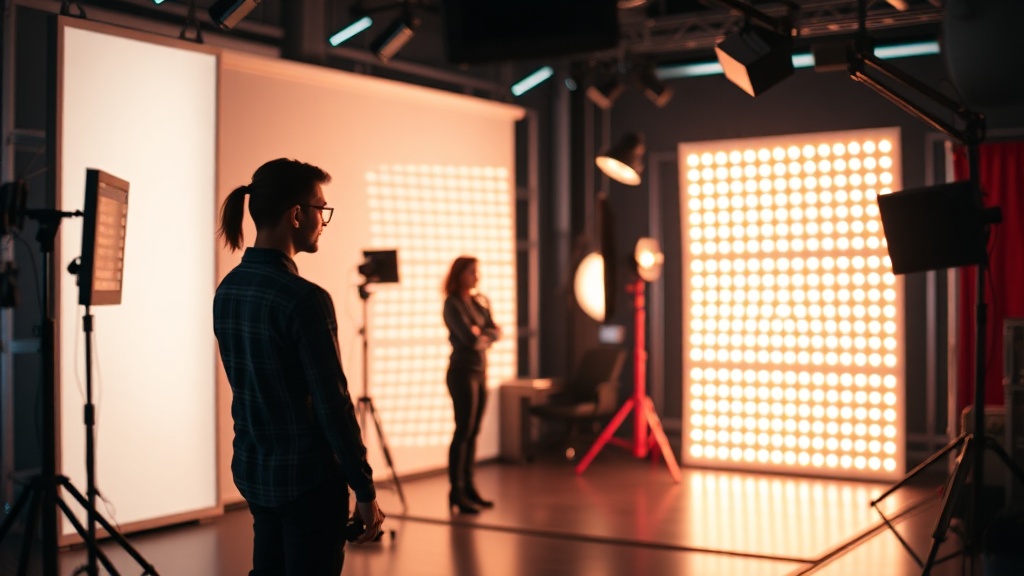
Don't forget the importance of shadows. A perfect display isn't just about lighting the figure; it's about knowing where the shadows fall. If you have a figure with a massive cape or a wide-reaching weapon, you want to make sure that shadow doesn't obscure the face or the torso. A two-point lighting system—one light from the front-left and one from the back-right—is a standard technique used in photography to eliminate the "flatness" of a subject. It brings out the three-dimensional quality that makes high-end figures so much more impressive than standard toys.
When you set up your lights, always test them for a few hours before deciding on a permanent position. A light that looks great in a photo might look totally different in person when you're looking at it from a different angle. Experiment with placement, test different color temperatures, and most importantly, keep an eye on how the light interacts with the specific textures of your favorite pieces. Your collection deserves to be seen in its best light, literally.