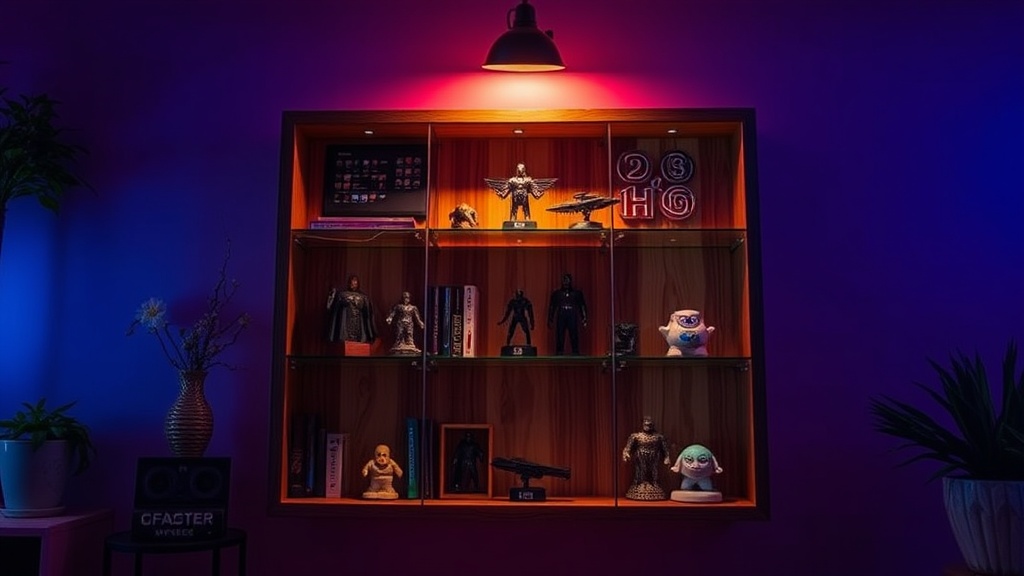
Building a Custom Display Shelf for Your Collection

Over 70% of high-end figure collectors report that dust and improper lighting are the primary enemies of their collection's long-term value. This guide breaks down the mechanics of building a custom display shelf, from selecting the right materials to ensuring your McFarlane or NECA figures stay in pristine condition. We'll look at structural integrity, lighting placement, and how to prevent common display-related damage.
What Materials Should You Use for Figure Displays?
Acrylic and high-grade wood are the most effective materials for building custom shelving for collectible figures. If you want a modern, museum-style look, acrylic (often called Plexiglass) provides maximum visibility and a sleek aesthetic. However, it can be prone to scratching if you aren't careful. Wood offers a more classic, sturdy feel—perfect if you're displaying heavier resin statues or large-scale figures—but it requires more maintenance to keep dust from settling in the grain.
When deciding between materials, consider your existing collection's weight. A shelf filled with heavy 1/6 scale figures needs a different foundation than a shelf for standard 7-inch action figures. Here is a quick breakdown of common materials:
- Acrylic: Best for visibility; lightweight; easy to clean; prone to static dust.
- Wood: Best for durability; hides imperfections; adds a premium feel; can be heavy.
- Metal (Aluminum/Steel): Best for industrial aesthetics; extremely sturdy; harder to modify at home.
- Tempered Glass: Best for high-end luxury; very heavy; requires constant cleaning.
One thing to watch out for is the "static factor." Acrylic is a magnet for dust. If you're building a display for highly detailed sculpts, you might want to look into static electricity properties to understand why your shelves might look dirty just ten minutes after cleaning. It's a constant battle.
How Do I Prevent Damage to My Figures on Display?
The best way to prevent damage is to control the environment by using UV-resistant surfaces and avoiding direct sunlight. Sunlight is the fastest way to fade the paint applications on your favorite figures. Even a few months of indirect UV exposure can cause significant color shifting in plastics.
Many collectors forget that it isn't just the light that kills a collection—it's the heat. If your display sits near a window or a radiator, the fluctuating temperatures can cause the plastic to expand and contract. This is particularly problematic for articulated figures. If the plastic softens or warps, you might see issues with joint tension. To keep your figures looking sharp, you should also learn how to prevent paint rub on McFarlane figure joints, as a poorly constructed shelf that vibrates or rubs against the figure can cause long-term wear.
I've seen collectors use LED strips for lighting, which is a smart move. Unlike traditional incandescent bulbs, LEDs produce very little heat. This keeps the temperature stable within the display case. (I personally swear by way of a warning: never use cheap, high-heat bulbs near your figures.)
| Potential Damage Source | Effect on Figures | Prevention Method |
|---|---|---|
| Direct Sunlight | Paint Fading/Discoloration | UV-Protective Acrylic/Glass |
| High Heat | Plastic Warping/Softening | Avoid Radiators/Windows |
| Static Dust | Surface Scratches | Anti-static Cleaning Cloths |
| Vibration | Joint/Paint Wear | Stable, Level Shelving |
How Much Space Does Each Figure Need?
A standard 7-inch action figure requires roughly 4 to 5 inches of vertical clearance to account for dynamic poses and accessories. If you are a collector who loves to pose figures in mid-action stances—like a heavy combat pose or a wide-legged stance—you need to plan for more depth. A shelf that is too shallow will lead to "shelf diving," where figures tip over and hit the base or each other.
Here is a guide for spacing based on the type of collectible:
- Standard 7-inch Figures (McFarlane, NECA): 5-6 inches of height; 4 inches of depth.
- 1/12 Scale Figures (Marvel Legends, Star Wars Black Series): 4 inches of height; 3 inches of depth.
- 1/6 Scale Figures (Hot Toys): 12-14 inches of height; 8-10 inches of depth.
- Statues/Resin: Variable, but always check the base diameter first.
Don't forget the "accessory footprint." If you have a figure that comes with a massive sword or a wide-reaching weapon, that piece of plastic now dictates your shelf spacing. If you crowd them, you'll end up with a mess of tangled weapons and limbs. It's better to have a slightly sparse, clean-looking shelf than a cluttered one where nothing is visible.
Depth is the most overlooked metric. I once built a shelf that looked great on paper, but when I added a figure with a wide cape, it actually leaned off the edge. It was a disaster. Always measure your widest accessory before you commit to a shelf depth.
When building, consider the "Visual Weight." A shelf packed with figures looks heavy and chaotic. A shelf with breathing room looks professional. If you have a large collection, it's often better to create multiple smaller "vignettes" rather than one giant, overwhelming wall of plastic. This makes it easier to organize by brand or theme, too.
If you're using a wall-mounted system, ensure you are drilling into studs or using heavy-duty anchors. A collection of high-quality figures can weigh a surprising amount. I've seen a single shelf collapse because someone underestimated the weight of a full set of resin statues. It's a heartbreaking sight. Make sure your mounting hardware is rated for the load you're putting on it.
One final tip for lighting: avoid "top-down" harshness. If the light is directly above the figure, it creates heavy shadows under the chin and eyes, making the figure look a bit "dead." Side-lighting or diffused light provides a much more cinematic look. It brings out the sculpt details without washing out the paintwork.