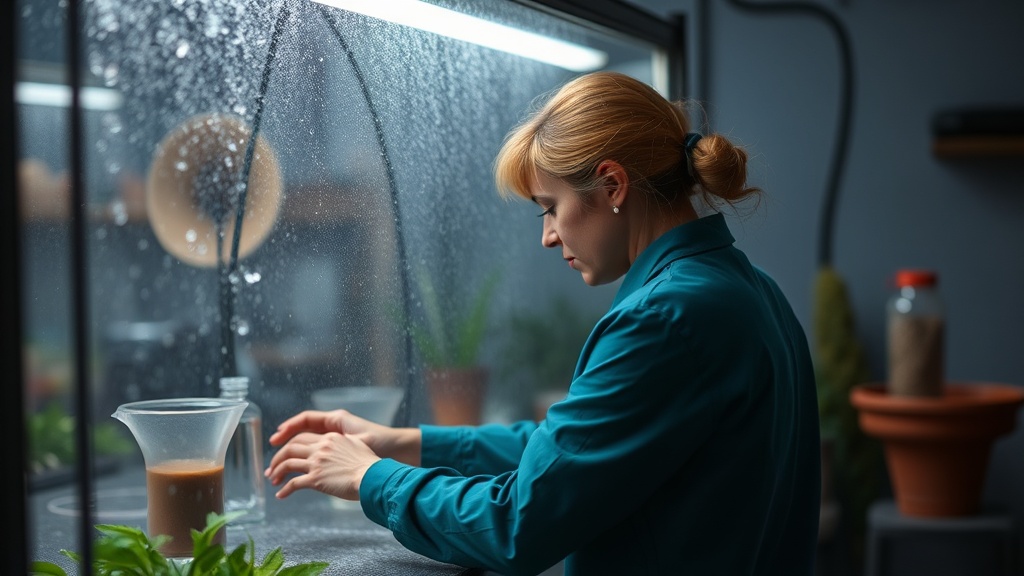
Managing Humidity for Long Term Figure Preservation

A collector in the Midwest opens a pristine, long-boxed McFarlane Spawn figure only to find the cardboard edges are soft, wavy, and starting to look like wet cardboard. The plastic bubble is slightly clouded, and the internal figure has a faint, tacky residue on the surface. This isn't a case of bad handling; it's a case of uncontrolled humidity. This post explains how moisture levels affect the physical integrity of your figures, the stability of your packaging, and the best ways to control your environment.
Humidity is the silent enemy of a serious collection. While most people worry about sunlight or dust, moisture is often what does the most long-term damage to plastic, paint, and cardboard. If you're keeping high-end collectibles in a basement or a non-climate-controlled room, you're playing a dangerous game with your investment.
How Much Humidity is Safe for Collectibles?
The ideal relative humidity (RH) for a toy collection is between 40% and 50%. Keeping your environment in this range prevents the two biggest issues: mold growth and material degradation. If the air is too damp, you're inviting biological issues; if it's too dry, certain materials can become brittle.
When humidity climbs above 60%, things get messy. Cardboard boxes—the holy grail for many of us—start to absorb moisture. This leads to "warping," where the structural integrity of the packaging fails. Even if the figure inside is fine, the box is ruined. A warped box significantly drops the resale value of high-end items like McFarlane or NECA figures.
On the flip side, extremely low humidity can be just as bad. If you live in a desert climate and run your heater constantly, the air becomes bone-dry. This can cause certain types of plastic or thin paint applications to crack or flake. It’s a delicate balance.
I've seen collectors lose entire lines of figures because they stored them in a garage or an unfinished basement. The air in those spaces is rarely stable. You might think a plastic case protects the figure, but even air gets inside those cases. If the air is moist, the moisture stays trapped inside the display.
Common Signs of High Humidity Damage
- Soft Cardboard: The box feels spongy or loses its sharp corners.
- Sticky Residue: A "tacky" feeling on the surface of the plastic or the figure itself.
- Cloudy Plastic: The clear blister packs or display cases look foggy or milky.
- Mold/Mildew: Small black or white spots appearing on the box or the figure.
- Paint Flaking: Paint lifting away from the plastic surface due to moisture expansion.
What Tools Can I Use to Control Humidity?
You can manage humidity effectively using a combination of hygrometers, dehumidifiers, and specialized desiccants. The first step is knowing exactly what is happening in your room, which is why a digital hygrometer is your best friend. These are inexpensive devices that tell you the exact percentage of moisture in the air.
If you are managing a large collection, a standalone dehumidifier is the most effective tool. These machines pull moisture directly out of the air and drip it into a tank. If you're using a dedicated room for your collection, a small, portable unit can make a massive difference. Just remember to empty the tank regularly—a full dehumidifier stops working.
For smaller, enclosed spaces like display cases or acrylic boxes, desiccants are the way to go. Here is a quick comparison of common moisture-control methods:
| Method | Best For... | Pros | Cons |
|---|---|---|---|
| Dehumidifier | Whole Rooms/Basements | Powerful, handles large volumes. | Expensive, requires electricity. |
| Silica Gel Packs | Display Cases/Small Boxes | Cheap, easy to tuck away. | Only works in small, airtight spaces. |
| Hygrometer | Monitoring/Awareness | Doesn't actually change the air. |
If you're a "Mint in Box" collector, you should look into high-quality airtight cases. While no case is truly 100% airtight, a high-quality acrylic case significantly slows down the exchange of air. You can place a small packet of silica gel inside the base of the case to keep the micro-environment stable. This is a standard practice for those who prioritize preserving box integrity for mint in box collectors.
One thing to watch out for is the "micro-climate" inside a display. If you put a silica packet inside a case, it will eventually become saturated. Once it's full of moisture, it stops working. You'll need to replace or "recharge" them periodically. It's a bit of a chore, but it's better than a ruined collection.
How Does Humidity Affect Different Materials?
Not all parts of a collectible react to moisture in the same way. A single figure might have several different materials—PVC, ABS plastic, fabric, and cardboard—each of which has a different vulnerability profile.
Cardboard and Paper: This is the most vulnerable material. Paper is hygroscopic, meaning it naturally attracts water. When it absorbs moisture, the fibers expand, causing the box to warp or become "mushy." Once a box is warped, it's nearly impossible to return it to its original shape without damaging it further.
Soft Goods (Fabric): If you collect figures with real fabric capes or clothing (like some high-end Sideshow or Hot Toys pieces), humidity is a major threat. Damp fabric is a breeding ground for mold and can also cause the fabric to lose its shape or become "stiff" over time.
Plastic and Paint: While plastic is generally stable, the paint applied to it is not. High humidity can cause "paint lifting." This happens when moisture gets between the paint layer and the plastic substrate, causing the paint to bubble or flake. This is a nightmare for collectors of highly detailed figures where the paint application is the main draw.
It's worth noting that even if you're careful with your display, your storage method matters. If you're storing boxes in a cardboard shipping box, you're essentially creating a way for moisture to move through your collection. Always try to use plastic bins for long-term storage, as they provide a much better barrier against the elements than cardboard.
If you've already started seeing signs of moisture damage, don't panic. While you can't undo the damage, you can prevent it from spreading. Check your current storage setups. Are your figures sitting on a shelf directly against an exterior wall? Exterior walls are often much colder and more prone to moisture-related issues. Moving your collection to an interior wall can help stabilize the environment. You might also want to check your top tier display cases for premium figures to see if they are properly sealed or if they need a desiccant update.
Lastly, keep an eye on the weather. If a major storm is coming through or if you're living in a high-humidity region, your dehumidifier might need to work overtime. Monitoring your environment isn't a "set it and forget it" task—it's an active part of being a collector. Taking care of the environment is just as important as taking care of the figures themselves.
Steps
- 1
Monitor Ambient Humidity Levels
- 2
Use Desiccant Packs in Enclosed Displays
- 3
Utilize Dehumidifiers in Display Rooms
- 4
Inspect Figures Regularly for Signs of Moisture