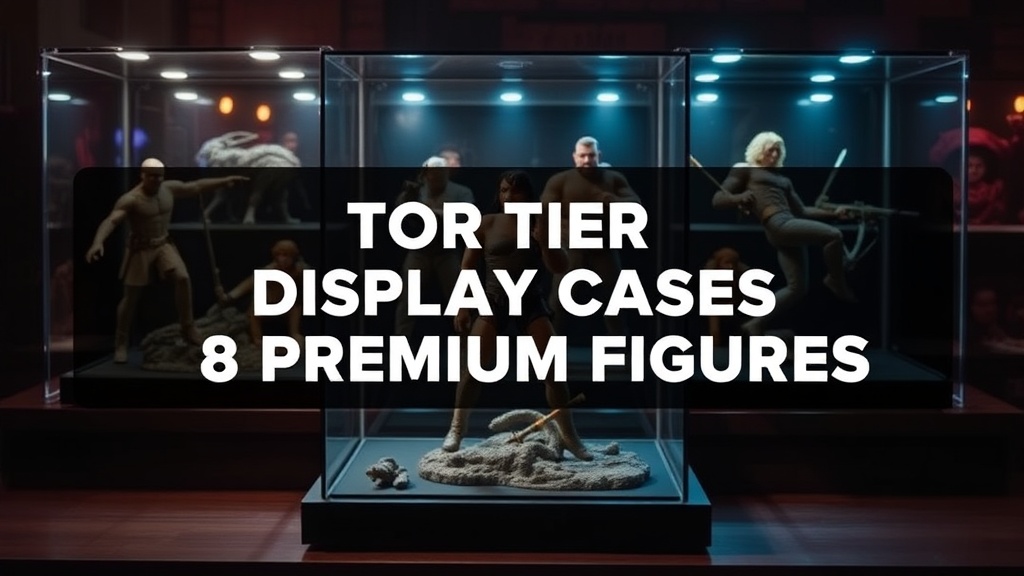
Top Tier Display Cases for Premium Figures

Acrylic Showcase Cubes
Wall-Mounted Floating Shelves
LED Integrated Glass Cabinets
This post identifies the best display cases for high-end action figures, focusing on material quality, UV protection, and visibility. You'll find specific recommendations for acrylic, glass, and modular shelving systems to keep your McFarlane or NECA figures looking pristine. We're looking at how to prevent dust buildup and UV damage while maintaining a professional aesthetic in your home.
What is the Best Material for Figure Display Cases?
Acrylic is the best material for most collectors because it offers a balance of clarity, durability, and lightweight handling. While glass looks incredibly high-end, it's prone to shattering if a shelf fails or a heavy figure tips over. Acrylic is much more forgiving—especially if you have kids or pets in the house.
When you're shopping, look for "cast acrylic" rather than "extruded acrylic." Cast acrylic is much clearer and doesn't yellow as quickly over time. It's a small detail, but for someone who treats their collection as an investment, it matters. If you're displaying figures near a window, you need to be aware of light sensitivity. You can read more about protecting your collection from sunlight and heat damage to understand why material choice is so important.
Acrylic is also easier to clean. If you're dealing with a highly detailed sculpt—like some of the more intricate McFarlane Toys sculpts—you don't want to be scrubbing with harsh chemicals. A simple microfiber cloth and some water usually does the trick. Just don't use Windex on acrylic; it'll craze the surface and ruin the look instantly.
Types of Display Solutions
There isn't a one-size-fits-all answer here. Your choice depends on how much space you have and how many figures you're trying to cram into a single view. Here is a breakdown of common options:
- Single-Figure Acrylic Boxes: These are perfect for your "grail" pieces. They offer 360-degree visibility and keep one specific figure isolated from dust.
- Tiered Acrylic Risers: If you have a shelf full of shorter figures, these allow you to see the back rows without them being hidden by the front row.
- Glass Curio Cabinets: The gold standard for serious collectors. These are heavy, expensive, and look amazing in a living room.
- Modular Wall Shelving: Great for maximizing vertical space in smaller apartments or dedicated hobby rooms.
How Much Should You Spend on a High-End Display Case?
Prices vary wildly based on the size of the unit and the quality of the construction. You can find basic plastic bins for $10, but those aren't going to do much for your display aesthetic. A decent mid-range acrylic case for a single figure usually runs between $15 and $30. If you are looking at a full-sized glass cabinet from a brand like IKEA or a specialized collector brand, expect to pay anywhere from $150 to $500.
It's tempting to go cheap, but don't. A cheap, thin plastic case will bow under the weight of heavy 7-inch figures. I've seen many collectors lose a beautiful piece because the shelf literally sagged and tipped the figure over. It's a heartbreaking sight. It's worth noting that a higher upfront cost often means better UV protection, which saves you money on replacing faded paint jobs later.
| Display Type | Typical Price Range | Best For | Durability |
|---|---|---|---|
| Acrylic Single Box | $15 - $30 | Grail/Single Figures | High (Impact Resistant) |
| Tiered Risers | $10 - $25 | Small Groups/Sets | Medium |
| Glass Curio Cabinet | $150 - $600 | Full Collections | Low (Fragile) |
| Modular Plastic Bins | $5 - $15 | Storage/Not Display | Very High |
If you're a "Mint in Box" person, you might not even need a case. But if you're an out-of-box collector, the table above shows where your money goes. If you're worried about the integrity of your figures while they are out of the box, you should also look into preserving box integrity for the packaging you do keep.
How Do I Prevent Dust from Ruining My Figures?
The best way to prevent dust is to use a fully enclosed, airtight display case. Even a "closed" shelf will collect dust through the gaps. If you use an open-shelf system, you'll find yourself constantly cleaning. This can be a headache if your figures have deep crevices or complex textures—which, let's be honest, most high-end figures do. If you find yourself constantly cleaning, you might want to look into cleaning dust from intricate sculpted details to ensure you aren't scratching the paint.
Here's the thing: dust isn't just an eyesore. It can actually hold moisture and, over years, lead to paint degradation or even "sticky figure" syndrome where the plastic begins to break down. A sealed acrylic case is your best defense. If you can't afford a full cabinet, even small, individual acrylic cubes for your most expensive figures will make a massive difference.
Another tip is to use an air purifier in the room where you keep your collection. It won't stop everything, but it reduces the amount of airborne particles that eventually settle on your shelves. It's an extra step, but it helps.
Don't forget about lighting. If you use a display case, you'll want to light it properly. A dark case is just a coffin for your figures. You can check out my previous post on lighting techniques for maximum figure presence to see how to highlight your collection without causing heat issues. Lighting is just as important as the case itself. If you have a great case but terrible lighting, the figures won't pop.
When choosing a case, always check the depth. Many people buy a case that looks great online, only to realize their figure's accessories (like a sword or a cape) won't fit inside the enclosure. Always measure your widest accessory before you hit "buy." It's a common mistake that leads to a lot of returns.
If you're displaying a heavy figure, like a large-scale statue or a bulky deluxe figure, make sure the base is stable. A top-heavy figure in a cheap acrylic box is a recipe for a broken toe or a cracked head. I've seen it happen more than once in the community. It's frustrating, but it's a lesson learned the hard way.
Ultimately, your display is an extension of your passion. Whether you use a high-end glass cabinet or a simple set of acrylic risers, the goal is to show off the artistry of the sculpt. Take your time, do your research, and don't settle for anything that's going to degrade the look of your collection over time.