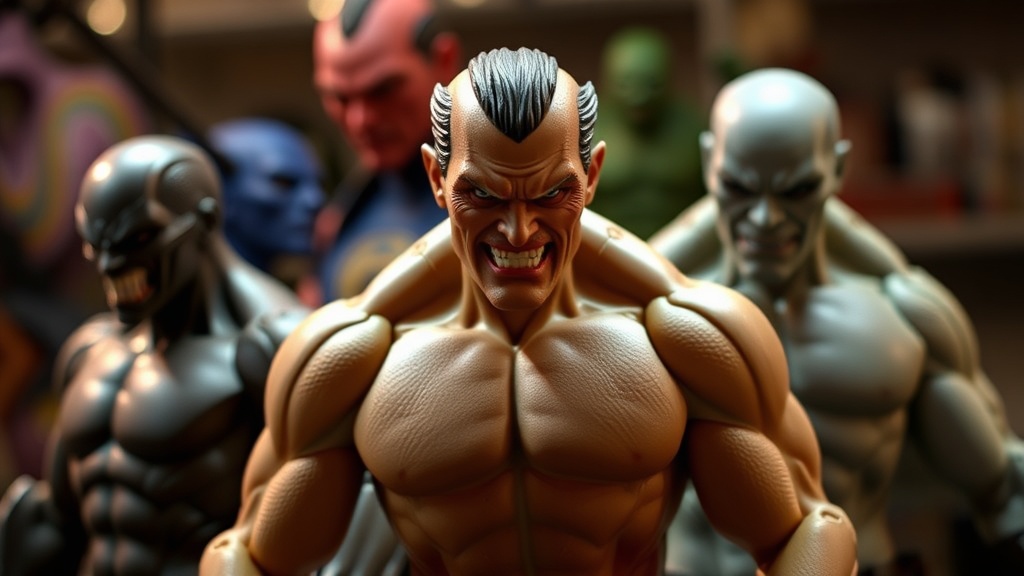
The Evolution of Sculpting Techniques at McFarlane Toys

A collector unboxes a highly anticipated figure from a premium line, only to find the facial sculpt looks more like a generic caricature than the character they expected. They stare at the plastic, wondering why the fine details—the wrinkles around the eyes or the specific texture of the skin—don't match the hype. This discrepancy often comes down to the technical evolution of how a figure is actually made. We're looking at the shift from traditional hand-sculpting to high-fidelity digital modeling and how that change has redefined what we expect from a McFarlane Toys product.
The world of toy production has changed more in the last decade than in the previous thirty years combined. We've moved from a reliance on physical clay to the precision of digital sculpting software. This evolution isn't just about new tools; it's about the way brands translate an idea from a sketch into a three-dimensional object that can sit on your shelf. It's a complex process involving heavy-duty machinery, specialized artists, and high-grade resins.
How has digital sculpting changed toy production?
Digital sculpting has replaced much of the manual clay work with high-resolution 3D modeling software to achieve much higher levels of anatomical accuracy. In the early days, a sculptor would sit with a piece of wax or clay and physically carve out the features of a character. It was an incredible skill, but it was slow. If you wanted to change the shape of a character's nose, you had to physically alter the material or start over.
Today, artists use tools like ZBrush to create digital-first sculptures. This allows for a level of detail that was previously impossible to mass-produce reliably. You can see it in the way modern figures capture skin pores, fabric weaves, and even microscopic battle damage. This digital approach also makes it easier to ensure that a figure's proportions remain consistent across different poses or even different scales.
One major advantage of this digital-to-physical pipeline is the ability to iterate. If a prototype doesn't look quite right, the artist can tweak the digital file and print a new version almost instantly. This reduces the "human error" often found in hand-sculpted prototypes. It also allows for more complex "engineering"—making sure the joints move without breaking the sculpt's aesthetic integrity.
It's worth noting that while digital tools are powerful, they don't replace the artist's eye. A computer can't tell you if a character looks "heroic" or "menacing." It just follows the commands. The soul of the figure still comes from the designer's vision. That said, the technical execution has reached a point where the line between a toy and a high-end statue is thinner than ever.
The transition from physical to digital also impacts the durability of the product. When a figure is designed digitally, the structural integrity of the "limbs" and "joints" is calculated with mathematical precision. This helps prevent the common issues collectors face, such as loose joints or parts that snap too easily during assembly. For more technical background on how these physical properties are measured, you can look at the principles of injection molding.
What are the different stages of figure creation?
The creation of a high-end collectible figure moves through several distinct phases, starting with a concept sketch and ending with a finished, painted product in a box. It’s a long road that requires constant checks to ensure the vision isn't lost in translation.
The process usually follows this order:
- Concept Art: A 2D illustration that defines the character's look, pose, and expression.
- Digital Sculpting: The creation of a 3D model using software to define every fine detail.
- Prototyping: Printing the digital file into a physical form, often using high-resolution 3D printers.
- Tooling: Creating the metal molds used for mass production via injection molding.
- Paint Master: A hand-painted version of the figure used as the gold standard for the factory.
- Mass Production: The actual injection of plastic into the molds and the automated painting process.
The "Paint Master" stage is where many collectors get tripped up. A paint master is the one-of-a-kind, hand-painted prototype that looks perfect. When the mass-produced version arrives, it might look slightly different because machines can't replicate a human hand's nuance. This is why some figures look "washed out" or lack the depth of the promotional photos. If you're worried about how to care for these high-end finishes, check out our guide on preventing paint rub during figure storage.
It's also a good idea to keep an eye on the materials used. Most modern figures use PVC (Polyvinyl Chloride) for the body and more rigid plastics for the accessories. The quality of the plastic can affect how well the sculpt holds up over time. If the plastic is too soft, you get "leaning" figures; if it's too hard, the detail might be brittle.
The Role of Material Science in Modern Figures
The material used is just as important as the sculpt itself. A perfect sculpt is useless if the plastic is too thin to hold its shape. We've seen a massive improvement in the grade of plastics used in the industry. This ensures that the fine lines of a cape or a piece of armor don't melt away under heat or become brittle with age. This is why many collectors spend so much time protecting their collections from sunlight—it's not just about the paint, but the structural integrity of the plastic itself.
| Technique | Primary Benefit | Main Drawback |
|---|---|---|
| Traditional Clay Sculpting | Organic, unique feel | Hard to replicate exactly |
| Digital 3D Sculpting | Extreme detail & precision | Can look "too perfect" or sterile |
| 3D Printed Prototyping | Rapid iteration/testing | Surface texture can be grainy |
Why does the sculpt quality vary between different product lines?
Variations in quality often stem from the specific budget, licensing requirements, and the intended target audience for that particular line. A high-end collector series will always have a different level of detail than a basic retail line. It isn't always a mistake; it's often a deliberate choice based on the production scale.
When a company produces a massive run of 50,000 units, the complexity of the sculpt has to be balanced against the speed of the injection molding process. If the sculpt is too intricate—think tiny, spindly fingers or incredibly thin hair—the parts will break during the manufacturing process. This leads to high "reject" rates at the factory. To avoid this, designers often "beef up" certain parts of the sculpt to make them more durable for shipping and handling.
Then there's the issue of the license. A company might have the rights to a character, but the specific "look" of that character might be heavily controlled by a studio. The sculptors have to balance the artistic vision with the legal requirements of the brand. This can sometimes result in a figure that looks "safe" rather than "dynamic."
Another factor is the scale. A 7-inch figure has much less surface area for detail than a 12-inch figure. When you scale down, the tiny details—the wrinkles in a shirt or the texture of a beard—often disappear or become "blobs" of plastic. This is a fundamental limitation of physics. You can't just shrink a detail and expect it to look the same; you have to re-sculpt it for that specific scale.
For those who want to ensure they are getting the best possible version of a figure, it's worth looking into the specific lines being released. Not all "McFarlane" products are created equal. Some are designed for the shelf, while others are designed for the toy aisle. Understanding the difference helps you manage your expectations when that package arrives at your door. If you're looking to build a truly high-end collection, you might want to start with the complete McFarlane Toys collecting guide to understand what to look for in terms of quality and value.
As the industry moves forward, the integration of AI and even more advanced scanning technology will likely continue to blur the lines. We're seeing more "photogrammetry" being used, where real-world objects or even people are scanned to create perfect digital likenesses. This is a massive leap from the hand-sculpted days, and it's changing the way we perceive the "authenticity" of our collectibles.